seismic wire rope, often referred to as “cable” or “wireline”, is an essential component used in geophysical exploration. This specialized wire rope is designed to withstand extreme conditions and is crucial for various seismic surveying techniques. In this article, we will explore the properties, uses, and benefits of seismic wire rope.
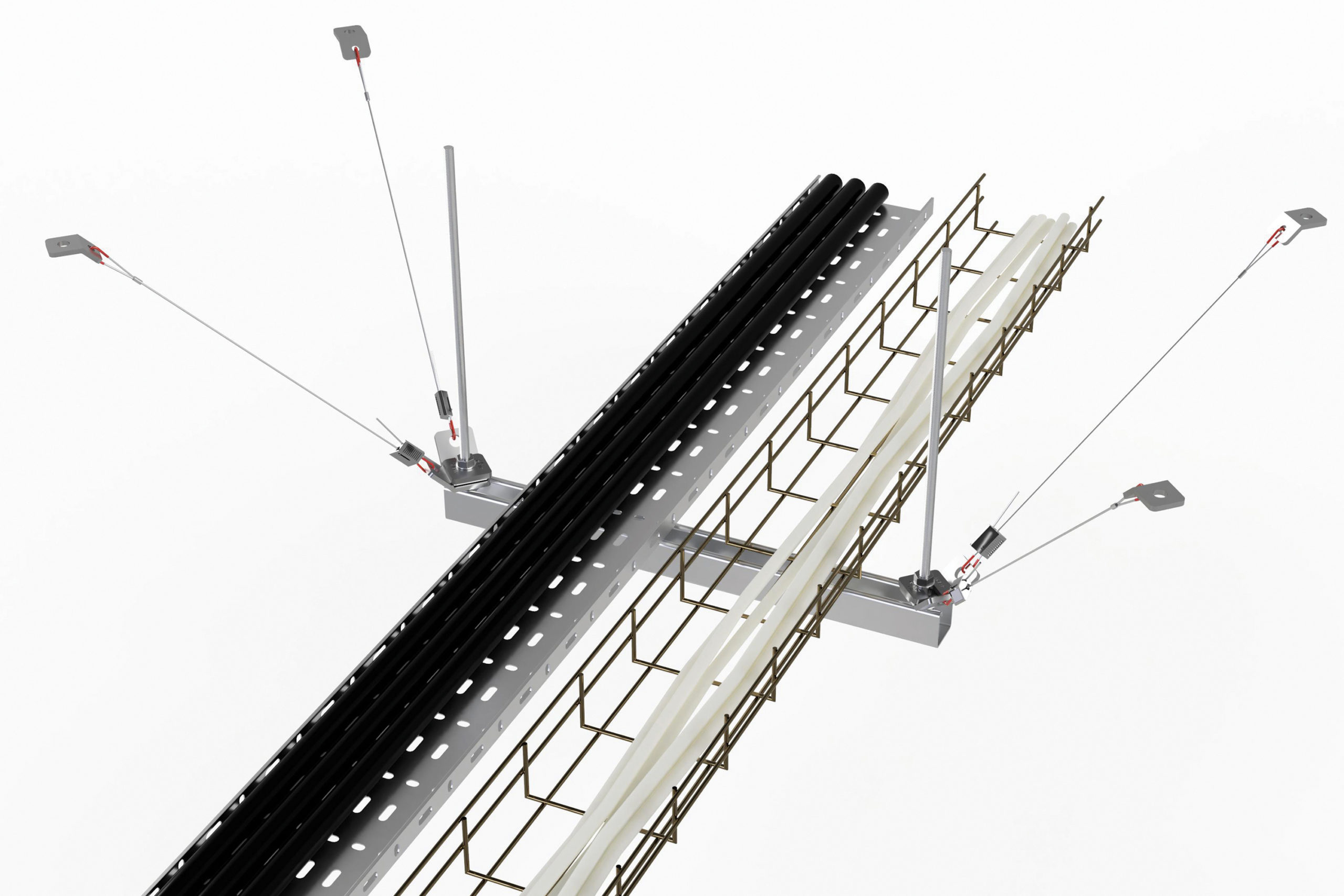
seismic wire rope is typically made of high-strength steel wires wound together to form a flexible and durable cable. The wires are coated with special materials to provide resistance to corrosion and abrasion, ensuring longevity in harsh environments. These ropes come in various sizes and configurations to accommodate different applications in the seismic industry.
One of the primary uses of seismic wire rope is in land seismic surveys. In this type of exploration, cables are laid out in a grid pattern across the land surface, with sensors attached at regular intervals. These sensors detect and record the seismic waves generated by energy sources such as vibrators or explosives. The wire rope serves as the backbone of the entire setup, providing support and connectivity for the sensors and energy sources.
seismic wire rope is also essential in marine seismic surveys, where cables are towed behind ships or laid on the seafloor to collect data from beneath the ocean. The wire rope must be able to withstand the harsh conditions of the marine environment, including saltwater corrosion, strong currents, and rough handling during deployment and retrieval.
In addition to traditional seismic surveys, wire rope is used in other geophysical techniques such as downhole logging and vertical seismic profiling. These methods involve inserting sensors or energy sources deep into the ground to collect subsurface data. Seismic wire rope is crucial for lowering and retrieving the equipment safely and efficiently.
One of the key benefits of seismic wire rope is its strength and flexibility. The high-strength steel construction allows the cable to support heavy equipment and withstand tension and bending during operation. The flexibility of the wire rope also enables smooth deployment and retrieval of sensors and energy sources in various terrain types.
Another advantage of seismic wire rope is its durability. The special coatings applied to the steel wires provide protection against corrosion, abrasion, and other forms of wear and tear. This ensures that the wire rope can withstand repeated use in challenging environments without compromising its performance.
Seismic wire rope is also designed to meet specific industry standards and regulations to ensure safety and reliability. Manufacturers of wire rope for seismic applications adhere to strict quality control measures to produce cables that meet the demands of the geophysical industry.
In conclusion, seismic wire rope plays a critical role in geophysical exploration, providing support, connectivity, and durability for various seismic surveying techniques. Its strength, flexibility, and durability make it an essential component for land, marine, and downhole seismic surveys. By using high-quality wire rope that meets industry standards, geophysical companies can ensure the success of their exploration projects and obtain accurate and reliable data from the subsurface.